
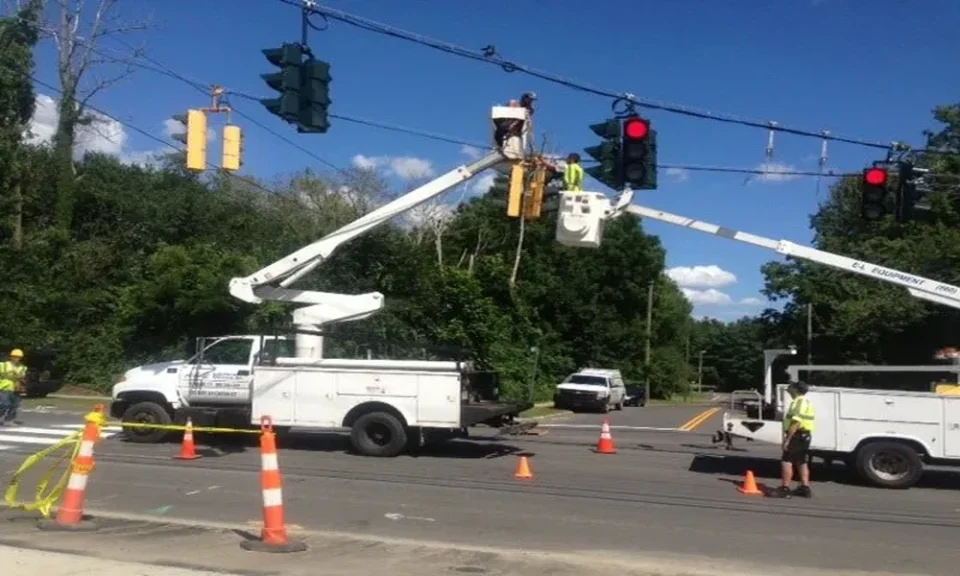
Myth 1: Traffic Sign Installation Is Just About Putting Up Signs
Anyone who thinks traffic sign installation is as simple as bolting a panel to a post hasn’t seen the aftermath of a misplaced stop sign or a hidden speed limit. Every sign, whether it’s for a bustling intersection in Toronto or a quiet subdivision in Ontario, has to be meticulously located to keep road users safe and municipalities compliant.
Precise placement isn’t just about order; it’s about visibility and reaction time. Drivers rely on seeing regulatory signs at the exact moment they need them. If a sign is too far back, too close, or just slightly angled away, it can fail to do its job, and accidents follow, often with serious liability implications.
Behind every successful sign installation stands a series of manuals and specifications. In Ontario, the Ontario Traffic Manual and OPSS (Ontario Provincial Standards Specifications) set the bar for installation practices. These documents dictate locations, dimensions, materials, and mounting methods for every type of sign. Municipal requirements often add another layer, which is why professionals must be up to date on both provincial and local rules.
Myth 2: Any Height or Angle Is Acceptable for Regulatory Signs
A stop sign too low can be obscured by a snowbank. A speed limit sign angled just a few degrees off can vanish in a driver’s peripheral vision. Height, lateral setback, and facing angle are not cosmetic details; they’re life-and-death specifications.
Each regulation has a purpose. For example, Ontario’s standards require certain regulatory signs to be mounted no less than 1.5 meters above the pavement on urban roads. Setbacks position signs far enough from the road to survive curb strikes, but close enough for drivers to read them easily. Facing angle ensures the sign “speaks” to oncoming traffic, not to parked cars or adjacent properties.
Erring on these measurements leads directly to safety risks. A misplaced school zone sign can encourage speeding, while a yield sign hidden by landscaping can turn an intersection hazardous overnight. Ultimately, improper placement creates both public danger and legal exposure for owners and contractors.
Myth 3: Temporary Construction Signs Can Be Installed Casually
Temporary signs in construction zones might seem less critical, but they demand just as much precision. Work zones are dynamic, with lane closures, shifts, and changing hazards. The only way to keep workers and drivers safe is with a standardized package of advance warning, transition, work area, and termination signs.
These sign packages aren’t arbitrary. Each is designed for maximum clarity and minimal confusion, helping drivers navigate ever-changing site conditions. As work zones evolve, signage must keep pace. Damaged or displaced signs need immediate replacement, and all installations should be removed promptly when the job is done to prevent driver disregard for future warning signs.
Myth 4: Permanent Signs Don’t Need Special Hardware or Weather Considerations
Permanent installations in Ontario face brutal winters, salt spray, freeze-thaw cycles, and high winds. Simply pounding a post into the ground isn’t enough. Professional crews auger or drive posts to a specified depth, use anti-twist hardware to prevent rotation, and select mounting materials that resist corrosion.
Anti-twist devices and deep-set posts prevent signs from shifting under the stress of weather or impact. These small details ensure that, months or even years after installation, the signs are still upright, facing the right direction, and delivering their intended message.
Myth 5: Documentation of Sign Installation Is Optional or Minimal
Proper documentation is the invisible backbone of compliance. Every credible installation includes dated photographs, precise GPS coordinates, and as-built records. These records don’t just satisfy the paperwork needs of municipalities; they are critical for resolving disputes, supporting legal cases, and verifying compliance during audits.
A thorough documentation package makes it possible to answer questions like, “Was this sign in place and visible on the date of the incident?” or, “Did the installation meet all required standards?” With photographic evidence and location data, the facts are clear and defensible.
Myth 6: Sign Installation Is a One-Time Effort Without Ongoing Maintenance
Traffic environments change constantly, new developments, utility repairs, weather damage, and shifting traffic patterns all impact signage. That’s why regular inspections and rapid repairs are vital. Proactive maintenance programs catch issues before they become hazards, ensuring that every sign in the field does its job.
Municipalities and infrastructure owners often rely on specialists for ongoing support. Crews handle inspections, respond to urgent repairs, and maintain full compliance across vast sign inventories, making sure communities stay safe and litigation risk stays low.
Myth 7: All Traffic Sign Installers Have the Same Level of Expertise
Not all installers are created equal. Specialized training on the Ontario Traffic Manual, municipal standards, and safety regulations is non-negotiable. Certified crews bring both technical know-how and field experience, ensuring every detail, from post depth to sign angle, serves the greater goal of safety and compliance.
Expertise isn’t just about pasting signs upright. It’s about understanding the web of rules that governs every installation, anticipating problems, and verifying every step with careful documentation. Companies with a proven record in this arena, like Salus Traffic sign installation, offer an extra layer of assurance that every sign fulfills its legal and safety function, no shortcuts taken.
From urban intersections to rural highways, the best traffic sign installations are built on accuracy, vigilance, and a relentless attention to detail. That’s how you turn a collection of metal and paint into a system that keeps everyone moving safely and lawfully.
