
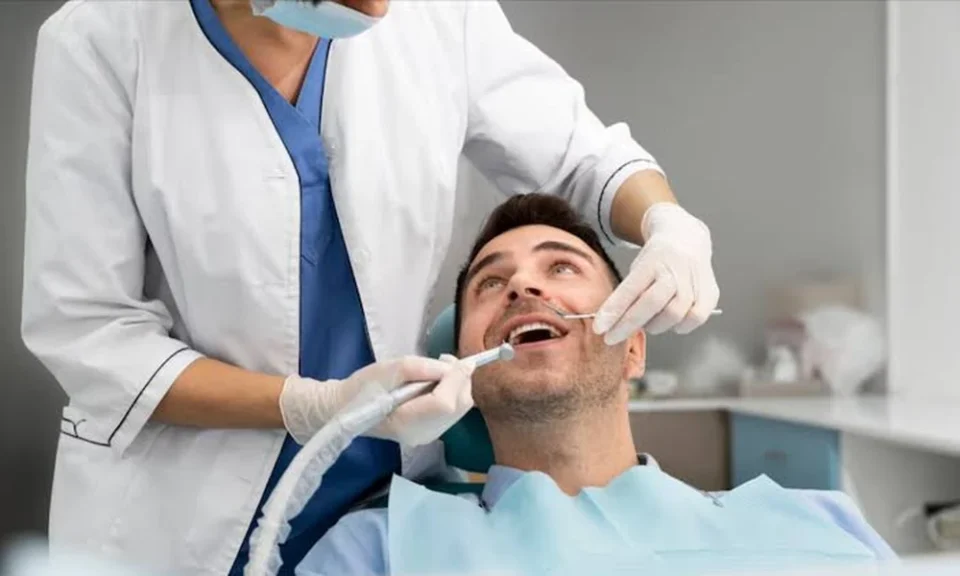
You usually do not think about dental costs when your mouth feels fine. Then a tooth starts to hurt, a filling turns into a crown, or your child needs urgent care right before a busy week, and the bill lands harder than expected. That is the pattern many families know too well. Small dental issues stay quiet for a while, then show up all at once as pain, time off work, stress, and higher costs. In many cases, regular visits for Hesperia cosmetic dentistry can help catch concerns earlier.
That is why preventive dentistry lowers oral health costs over time. Routine exams, cleanings, fluoride, sealants, and early treatment cost far less than fixing advanced decay, infection, or tooth loss. A family dentist is not just there for emergencies. Regular care helps you spend in smaller, predictable ways instead of getting hit with larger, avoidable bills.
Preventive dental care reduces expensive treatment before it starts
Most major dental bills begin as minor problems. Plaque builds up, gums get irritated, a tiny cavity forms, and none of it seems urgent. You might put off a visit because nothing feels wrong yet, or because you are trying to avoid one more expense. That delay often creates the expense you were trying to escape.
A basic cleaning and exam can catch decay early, when a simple filling may be enough. Skip those visits, and that same tooth can need a root canal and crown later. If infection spreads, the cost rises again, and now you are also dealing with pain, swelling, and time away from school or work. The financial side matters, but so does the disruption. Dental problems rarely wait for a convenient moment.
Children benefit in the same way. Sealants and fluoride treatments can protect teeth during the years when brushing habits are still developing and sugary snacks are everywhere. Adults often need gum care, bite checks, and screenings that catch wear, recession, or early disease before treatment becomes more involved. This is the long term value of oral health prevention. It turns surprise problems into manageable maintenance.
The public health data supports this. The CDC highlights the economic value of prevention and the broader return on investment in oral health prevention. The agency also explains how untreated oral disease affects daily life, overall health, and healthcare costs in its overview of oral disease prevention priorities.
Delaying family dentist visits often leads to higher oral health costs
People delay dental care for understandable reasons. You may be juggling rent, groceries, childcare, and insurance limits, and a routine visit can feel optional when nothing hurts. The problem is that dental disease tends to get more expensive the longer it goes untreated. Teeth do not repair themselves, and gum inflammation does not usually disappear because life got busy.
There is also the hidden cost of waiting. Emergency visits often happen after hours or during a packed week. You may lose income from missed work, need extra child care, or pay for temporary fixes that still lead to larger treatment later. If one untreated issue affects chewing, sleep, or confidence, the impact stretches beyond the dental office.
Preventive dental care savings come from avoiding that spiral. A family dentist can track changes over time, compare X rays, watch for grinding, and spot patterns that one emergency visit cannot. That continuity matters. It is easier and cheaper to manage a problem when it is still small.
Routine oral health prevention creates more predictable costs
One of the biggest benefits of prevention is not just lower total spending. It is predictability. Routine care helps you plan. Cleanings and exams usually happen on a set schedule, and any treatment found early is often simpler and easier to budget for. Compare that with an abscess, a broken tooth, or advanced gum disease, where the cost can jump fast.
| Preventive Approach | Common Short Term Cost Pattern | What It May Prevent |
|---|---|---|
| Regular exams and cleanings | Smaller, scheduled expenses | Undetected decay, plaque buildup, gum disease |
| Fluoride and sealants for children | Low cost preventive services | Cavities that later need fillings or crowns |
| Early filling for a small cavity | Moderate, manageable treatment | Root canal, crown, extraction |
| Monitoring gum health | Routine periodontal checks | Advanced gum treatment, tooth mobility, tooth loss |
| Emergency only dental care | Unplanned, often higher bills | Usually prevents very little because care starts late |
This is where the phrase cost saving dental prevention becomes real. It is not about adding extra appointments. It is about replacing crisis spending with planned care. For families, that shift can make dental health feel less overwhelming and more sustainable.
Simple steps help lower dental expenses over time
Schedule routine visits before pain starts. Book checkups and cleanings on a regular timeline for every family member. If cost is a concern, ask the office to map out expected visits for the year so you can budget instead of react.
Handle small treatment quickly. If your dentist finds a small cavity, early gum irritation, or signs of grinding, treat it now. Early intervention is usually simpler, less invasive, and less expensive than waiting until symptoms get worse.
Build daily habits that protect your investment. Brush twice a day with fluoride toothpaste, floss daily, limit frequent sugary snacks and drinks, and make sure children get help with brushing when needed. Home care does not replace a family dentist, but it lowers the chance that routine visits turn into major treatment plans.
Preventive dentistry supports healthier mouths and lower long term costs
If you have been putting off dental care, you are not alone, and you are not beyond catching up. Prevention works best when it is consistent, but it still helps the moment you restart. A family dentist can help you get ahead of problems before they become painful and expensive. That is the core reason preventive dentistry lowers oral health costs over time. You protect your health, reduce surprises, and give yourself a steadier path forward.
