
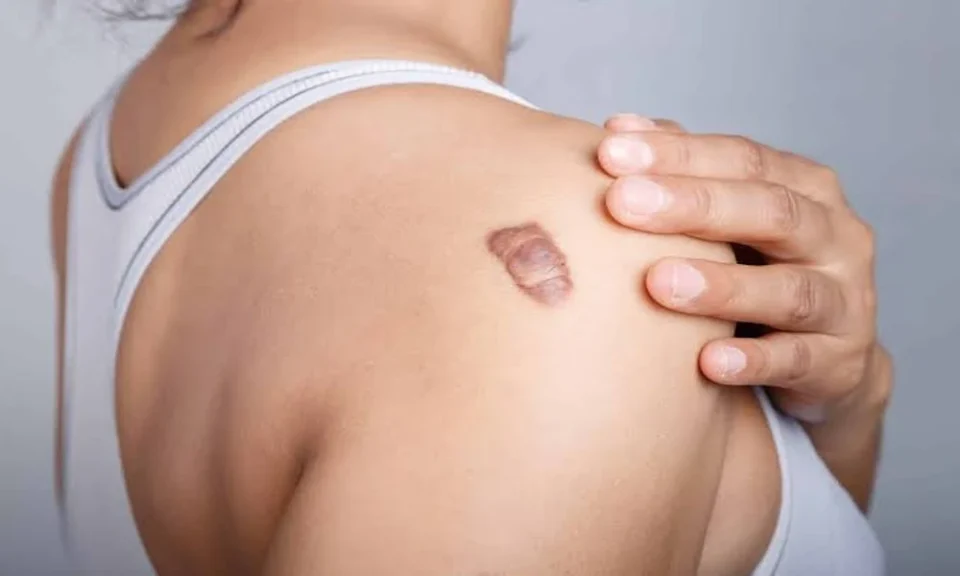
Raised marks on the skin can affect confidence because they often grow beyond the edges of an earlier wound. These thick areas may develop after minor injuries or skin damage. The keloid scar removal requires careful attention because each person’s skin responds differently to care. Understanding the available choices helps people make informed decisions. Professional advice is important before trying any product or home method. With suitable guidance and regular skin care, individuals can learn about possible ways to reduce discomfort and improve the appearance of affected areas.
Understanding Raised Skin Marks
Keloids form when the body produces extra tissue during wound healing. They may become firm or itchy over time.
Common Causes Behind Keloid Formation
Family history and skin injuries can influence their development. Cuts or piercings may trigger unusual tissue growth in some people.
Recognising Early Signs Of Changes
Raised areas may appear pink or darker than nearby skin. Some gradually grow beyond the original injured spot.
Factors That Influence Skin Healing
Age and inherited traits can affect healing patterns. Early professional advice helps identify suitable care choices for individual needs.
Importance Of Seeking Expert Guidance
A qualified skin specialist can examine the affected area. Their assessment helps determine the safest approach for each person.
Gentle Daily Care For Affected Areas
Keeping the skin clean helps prevent irritation. Avoiding pressure or scratching may reduce discomfort around sensitive raised tissue.
Setting Realistic Goals For Improvement
Complete removal is not always possible because raised tissue can return. A practical plan focuses on managing symptoms and appearance.
Professional Options For Managing Raised Tissue
Several approaches may help flatten thick tissue or reduce itching. A specialist selects suitable options after examining the size and location of the affected area. Results vary between individuals. Some methods need repeated visits while others require ongoing observation. Discussing possible side effects beforehand helps people make informed choices about their care.
Protecting Skin During The Healing Process
Good daily habits can help limit irritation while the skin recovers. Avoid picking at raised tissue because repeated injury may worsen the area. Sun protection can help reduce unwanted colour changes. Follow professional advice about suitable products. Contact a specialist if swelling or pain increases or the affected area changes unexpectedly.
– Keep the area clean.
– Avoid scratching or rubbing.
– Protect exposed skin from sunlight.
– Use recommended products only.
– Seek advice about new symptoms.
Choosing A Suitable Personal Care Plan
Each person needs an approach that matches their skin condition and personal goals. A professional assessment helps compare available methods. Consider the likely benefits and possible drawbacks before making a decision. Patience is important because visible changes may take time. Regular reviews also allow adjustments when the chosen approach does not provide enough improvement.
– Share your medical history.
– Explain any itching or pain.
– Ask about expected results.
– Understand possible costs and follow up needs.
– Review progress before changing methods.
Managing raised skin tissue begins with clear information and sensible decisions. Professional guidance can help people choose an appropriate care plan while avoiding methods that may cause further irritation. Understanding keloid scar removal methods helps individuals discuss potential benefits, possible risks and appropriate treatment choices with qualified skin specialists.
Frequently Asked Questions
Can Raised Scars Disappear Completely?
Complete disappearance is uncommon. Suitable care may flatten the area or reduce itching although results depend on individual skin responses.
Does Silicone Gel Help Raised Scars?
Silicone gel may soften certain raised scars when used regularly on healed skin. A specialist can advise whether it suits your needs.
Can Raised Scars Return After Treatment?
Yes. Raised tissue may grow again after treatment. Follow up appointments help specialists monitor changes and discuss further care options.
