
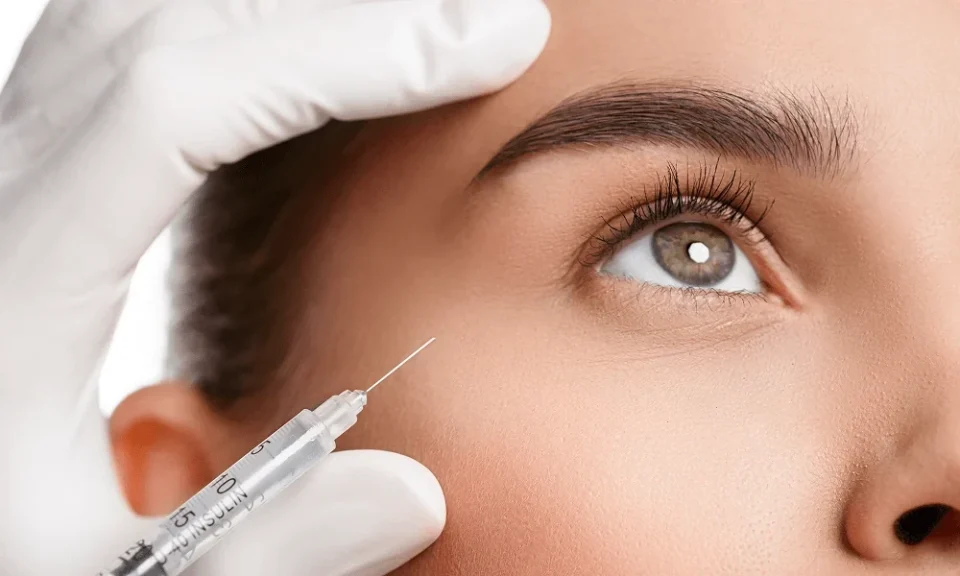
Dark circles can look similar while developing for different reasons. Pigment, visible vessels, fluid, and facial structure all matter, options for eye bags and dark circles become easier to assess once those causes are separated. A brown tint points toward pigmentation concerns. Bluish shading can reflect visible vessels beneath thin skin. Puffiness may involve fluid, while hollowness changes facial shadows.
Pigmentation Often Needs Surface-Level Care
Brown or grey shading can develop through increased melanin. Sun exposure may make this colour more noticeable over time. Frequent rubbing can also irritate delicate skin around eyes. That irritation may deepen existing uneven tone. Since pigment sits closer to the surface, topical care has relevance. Vitamin C can support a brighter, more balanced complexion. Niacinamide may also help improve uneven coloring.
Care still needs a gentle approach around this area. Strong scrubs can cause irritation rather than useful change. A mild routine protects the fragile surface from unnecessary stress. Sun protection also helps limit further pigment stimulation. With consistent care, gradual changes become easier to monitor.
Visible Vessels Create Bluish Shading
Not every dark circle comes from excess pigment. Thin under-eye skin can reveal vessels beneath its surface. This effect may create blue, purple, or reddish tones. Genetic traits can make vascular visibility more noticeable. Fatigue and irritation may also increase the colour temporarily. For that reason, brightening products may not address everything.
Cooling care can temporarily calm visible redness and swelling. Professional light-based treatments may target selected vascular concerns. Treatment depends on vessel appearance and surrounding skin condition. Gentle handling remains important throughout daily under-eye care.
Fluid Retention Can Cause Morning Bags
Some bags become more visible after waking. Fluid can collect around the lower eyelid during sleep. Sleeping flat may contribute to this temporary swelling. Salty meals can also influence short-term fluid balance. Allergies may add irritation and make puffiness more obvious. These causes differ from permanent fat or skin changes.
Several simple habits can support temporary swelling:
- A cool compress may calm morning puffiness.
- Head elevation can reduce overnight fluid pooling.
- Lower sodium intake supports steadier fluid balance.
- Allergy management may ease recurring eyelid swelling.
These measures focus on temporary fluid-related changes. Structural fullness needs a different line of treatment.
Ageing Alters Skin, Fat, And Contours
Ageing gradually changes the tissue surrounding lower eyelids. Collagen levels decline, leaving skin thinner and less firm. Facial fat can also shift as support structures change. Those changes may create heavier lower-lid contours. At this stage, options for eye bags and dark circles need to consider more than surface colour.
Topical products can support hydration and skin texture. Resurfacing procedures may address selected texture concerns. Injectable treatments can restore volume where hollowing contributes. Surgical correction may address pronounced tissue or fat changes. Each method works on a different part of the problem.
Can Hollow Areas Produce Dark Shadows?
A dark appearance does not always indicate darker skin. Hollowing can create shadows beneath the lower eyelid. The tear trough often becomes noticeable as facial volume changes. Light then falls differently across the recessed contour. This effect can make the area seem darker.
Brightening products cannot reshape a recessed facial contour. Volume-based treatment may address selected hollows more directly. However, suitability depends on the individual facial structure. A professional assessment can distinguish shadowing from true pigmentation.
Several visual clues can help guide that assessment:
- Brown coloring often points toward surface pigmentation.
- Blue tones may suggest visible underlying vessels.
- Morning swelling can indicate temporary fluid accumulation.
- Deep grooves can create stronger natural shadows.
- Loose skin may reflect age-related tissue changes.
Recognizing these signs prevents one treatment from being used broadly. The right approach depends on what creates the visible appearance.
Why Does Treatment Need Individual Matching?
Under-eye concerns can involve several causes simultaneously. Thin skin may sit above visible vessels and mild pigmentation. Fluid retention can also add temporary fullness to that area. Because these features overlap, one remedy may not address everything. Treatment planning therefore starts with identifying each contributing factor.
A careful assessment considers colour, swelling, skin thickness, and contour. It also examines whether changes remain constant throughout the day. Morning puffiness suggests a different pattern from persistent fullness. Likewise, changing shadows may point toward facial structure.
This distinction matters because treatment can target separate tissue levels. Surface products support skin quality and pigmentation concerns. Other procedures address vessels, volume, texture, or excess tissue. Combining suitable methods may therefore make more sense than choosing one universal solution.
Seeing Beyond The Dark Circle
The visible circle is only the final result. Beneath that appearance, pigment, vessels, fluid, and contours can interact. A brown patch requires different attention from a recessed tear trough. Likewise, a swollen morning lid needs another response. Once those differences become clear, treatment becomes more precise. The key insight is simple: colour shows the symptom, while structure often explains it.