
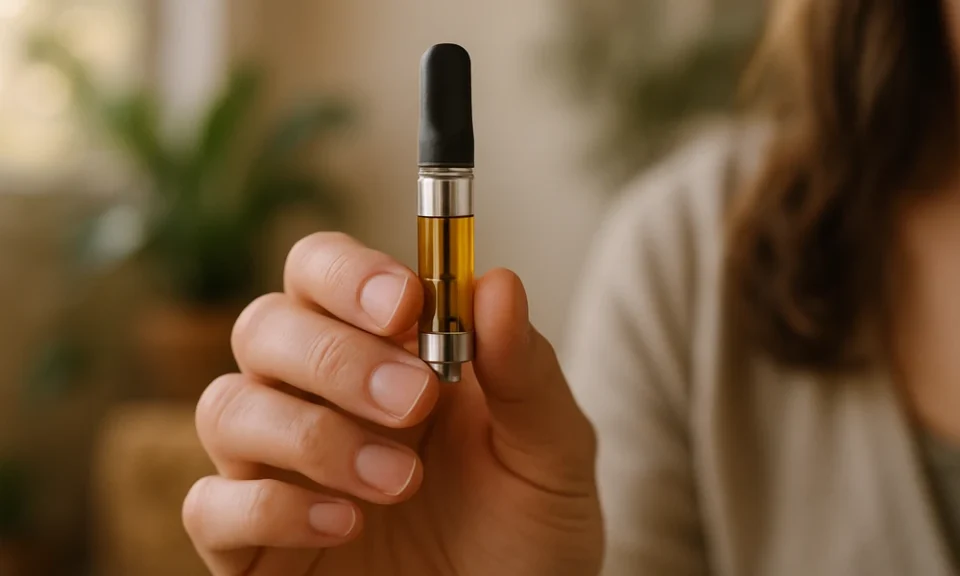
Terpene percentages get published across ranges described as top thca pre rolls ranked by OutSFL because buyers started asking for them. Caryophyllene draws attention for one reason. It reaches a cannabinoid receptor directly, and nothing else common in hemp manages that. Other compounds work sideways instead, nudging how quickly things cross into the bloodstream or how long they linger afterwards.
Flower carries dozens of these together. Mixtures behave oddly compared to single compounds isolated in a dish, which is where most laboratory findings come from. Human trials remain few. Almost everything claimed traces back to cells and animals, not to people sitting with a lit cone. Newer studies have started pairing whole flowers against isolated compounds, though sample sizes stay small enough that conclusions hold loosely.
How does aroma contribute?
Smell arrives before smoke does. Expectation forms in that moment and colours whatever follows, something studies on perceived character keep confirming.
Heat rearranges delivery, too. Lighter compounds lift off early while heavier ones hold on, so a first draw carries a different mix from a last one. Quick burns squeeze that whole shift into minutes. Slower cones stretch it across a session, and the change becomes easier to catch.
Resin coverage sets a ceiling on all of it. Sparse frosting means fewer compounds arriving, whatever else goes right, since resin heads hold nearly everything worth keeping.
Compounds and their roles
- Myrcene. Earthy, faintly musky, sitting high across plenty of hemp lines and often tied to heavier sessions.
- Limonene. Citrus that hits immediately once a pouch opens, usually connected with a brisker character.
- Pinene. Resinous and sharp, studied around breathing passages and alertness.
- Caryophyllene. Peppery and warm, unusual for reaching a receptor without help.
- Linalool. Floral, gentle, rarely abundant, linked with calmer sessions.
Links above come from early work and from what people report repeatedly. Settled clinical evidence suggests they are not, and treating them as such oversells thin ground.
Why results vary widely
Ratios wander between harvests of one line. Soil, weather, and when someone decides to cut all push them around, so two pouches carrying identical names rarely deliver identical mixes. Growers chasing consistency still find gaps opening between plots.
Sitting on a shelf costs more. Terpenes slip away steadily once the flower gets packed, meaning an older pouch gives less than that same batch gave on sealing day, and gives it in different proportions. Whatever terpenes add fades right alongside their smell.
The drying method decides how much survives to begin with. Slow drying across two weeks holds far more than forced warm air, and losses there never come back.
Then there is whoever holds it. Identical batches produce genuinely different accounts from different people, and no printed profile predicts anyone’s session with confidence. Brief notes across a handful of batches beat general descriptions, because notes describe one body rather than an average.
Terpenes do more than carry aroma, and evidence points that way clearly enough. How far they steer any particular session stays unresolved. Watching closely across several batches tells more than confident claims from anywhere else.
