
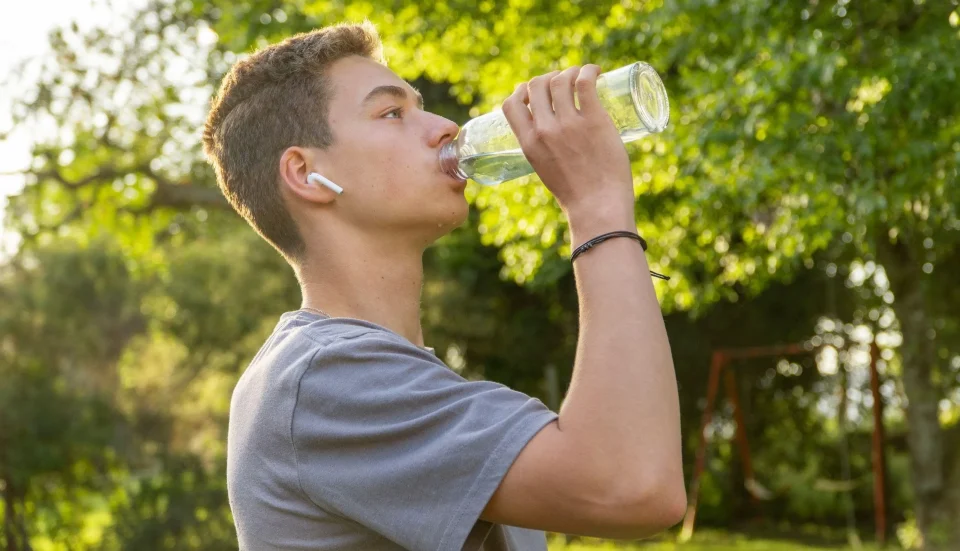
Proper hydration plays a vital role in the healthy growth, development, and daily functioning of children and teenagers. From supporting concentration in the classroom to fuelling physical activity and regulating body temperature, water is essential at every stage of childhood and adolescence. Yand yet, many young people don’t drink enough fluids throughout the day, often without realising the impact it can have on their wellbeing.
Understanding hydration needs — and how they change as children grow — helps parents and carers build positive habits that last well into adulthood.
Here’s Why Hydration is So Important for Young People
Children and teenagers are more vulnerable to dehydration than adults. Their bodies are still developing, they lose water more quickly through activity and heat, and they may not always recognise or respond to thirst cues.
Adequate hydration supports:
- Brain function, focus, and memory
- Physical performance and coordination
- Healthy digestion and nutrient absorption
- Temperature regulation
- Overall energy levels and mood
Research consistently shows that even mild dehydration can affect attention, reaction times, and behaviour — making hydration matters for kids not just during sport or summer, but every single day.
How Much Water Do Children and Teenagers Need?
There’s no one-size-fits-all answer, as hydration needs vary depending on age, activity level, climate, and overall health. However, general Australian guidelines suggest:
- Children (4-8 years): Around 1-1.2 litres per day from water and other fluids.
- Older children (9-13 years): Approximately 1.4-1.6 litres per day.
- Teenagers (14-18 years): Between 1.6-2.6 litres per day, with higher needs for active teens.
These amounts increase during hot weather, sport, or periods of high physical activity.
Hydration and Learning at School
Hydration has a direct impact on learning. Children who are well hydrated are more likely to:
- Stay alert during lessons
- Maintain concentration for longer periods
- Experience fewer headaches and fatigue
Encouraging children to take a water bottle to school and allowing regular water breaks helps maintain hydration throughout the day. Clear, accessible water options make it easier for kids to drink without prompting.
Teenagers, Sport, and Increased Fluid Needs
Teenagers are often highly active, participating in organised sport, gym sessions, or outdoor social activities. At the same time, they may replace water with sugary drinks or forget to hydrate altogether. For active teens:
- Water should be the primary drink before, during, and after activity
- Small, regular sips are more effective than large amounts at once
- Extra fluids are essential in hot or humid conditions
Building awareness around hydration and performance can help teenagers take ownership of their health.
Some Key Signs of Dehydration to Watch For
Children and teens don’t always say when they’re thirsty, so it’s important to recognise early signs of dehydration, including:
- Dark yellow urine
- Headaches or dizziness
- Fatigue or irritability
- Dry lips or mouth
- Reduced concentration
Encouraging regular drinking — rather than waiting for thirst — helps prevent these symptoms from developing.
Making Hydration a Daily Habit
Creating healthy hydration habits doesn’t need to be complicated. Simple strategies include:
- Keeping water easily accessible at home and on the go
- Using refillable bottles that children enjoy using
- Offering water with every meal and snack
- Leading by example — children mirror adult habits
Establishing these routines early helps normalise water as the drink of choice.
Supporting Lifelong Hydration Habits
Hydration is a foundation of long-term health. By prioritising water intake during childhood and adolescence, parents and carers support physical development, mental clarity, and emotional wellbeing. With consistent encouragement, practical routines, and access to quality drinking water, children and teenagers can develop habits that support their health now — and well into the future.
