
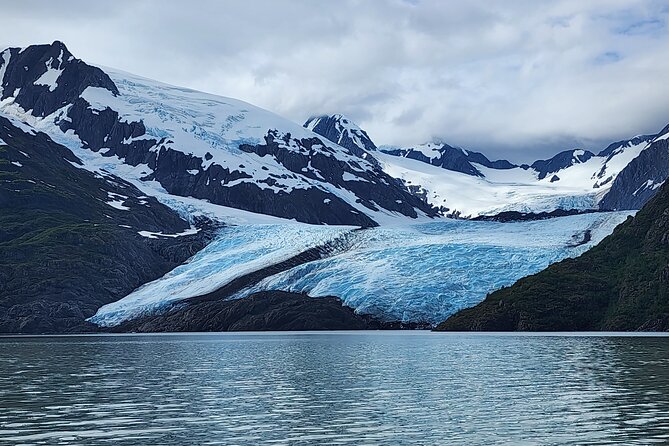
Alaska is a land of superlatives, a place where nature operates on a scale unmatched almost anywhere else. It is a world carved by ice, where mountains rise straight from the sea and immense forests stretch to the horizon. For most travelers, the primary draw is a simple, powerful combination: the majestic glaciers and the robust, untamed wildlife. Experiencing this environment requires a blend of reverence and readiness, as nature here is both beautiful and dramatically raw, commanding immediate attention and respect.
The Sculptors of the Landscape: Glaciers
Glaciers are the geological heart of Alaska, immense rivers of blue ice that have sculpted the landscape for millennia. Places like Glacier Bay National Park and Preserve offer arguably the most concentrated view of this natural phenomenon. Entering a bay surrounded by active tidewater glaciers, such as Margerie Glacier and the Johns Hopkins Glacier, is a profoundly moving experience. Visitors witness calving, the moment when massive chunks of ice break off and crash into the water, creating a thunderous roar that echoes off the surrounding mountains. This process is a visible reminder of the powerful, ongoing geological forces at work, forces that have shaped the entire coastline. The colors of the ice, ranging from stark white at the surface to deep sapphire blue in the fissures and compressed layers, change constantly with the light, creating a spectacle that captifies all who visit. Learning about the different types of glaciers—tidewater, piedmont, and valley—adds intellectual depth to the visual drama.
Wildlife Encounters: From Sea to Summit
Alaska’s wildlife is rich, visible, and utterly central to the travel experience. The sheer variety of animals, both marine and terrestrial, is staggering, and spotting them requires patience and a good pair of binoculars.
Marine Life: The icy waters of the Inside Passage are teeming with life, a nutrient rich environment that supports a complex food chain. Humpback whales are a common sight, often seen breaching or feeding in groups, their powerful tails emerging before they dive for krill or small fish. Orcas, or killer whales, patrol the same waters, often identifiable by their tall black dorsal fins. Sea otters float playfully on their backs, using rocks to crack open shellfish, and seals bask on ice floes near the glaciers. Bird life is also prolific, with colorful puffins and various seabirds adding color and movement to the coastal views.
Land Life: On shore, the challenge is finding the animals in the dense forests and mountains. Bears, both brown and black, are often seen fishing for salmon in rivers near Ketchikan or exploring the temperate rainforests, particularly during the late summer salmon runs. Near Juneau, moose, identifiable by their massive stature and impressive antlers, can be spotted wading in marshy areas. The most thrilling encounters often happen during guided excursions that take travelers into the interior or higher altitudes, such as expeditions into Denali National Park, where caribou and Dall sheep are common sightings. It is crucial to remember that this is their territory, and respectful, distant observation is key to safety and conservation.
The Essential Connection
Exploring Alaska’s glaciers and wildlife is an interconnected experience. The meltwater from the ice feeds the rivers that sustain the salmon runs, which in turn feed the bears, the eagles, and the marine mammals. It’s a complete, visible ecosystem where everything is linked. The most comfortable and comprehensive way to view this integrated environment is via an Alaskan cruise, which navigates the deep fjords and channels where the wildlife congregates and the glaciers are most active. This mode of travel provides a floating hotel that brings travelers right into the heart of the natural spectacle, maximizing viewing opportunities while minimizing impact on the delicate environment. The scale of Alaska is best appreciated from the water, where the true height of the mountains and the vastness of the wilderness become breathtakingly apparent.
