
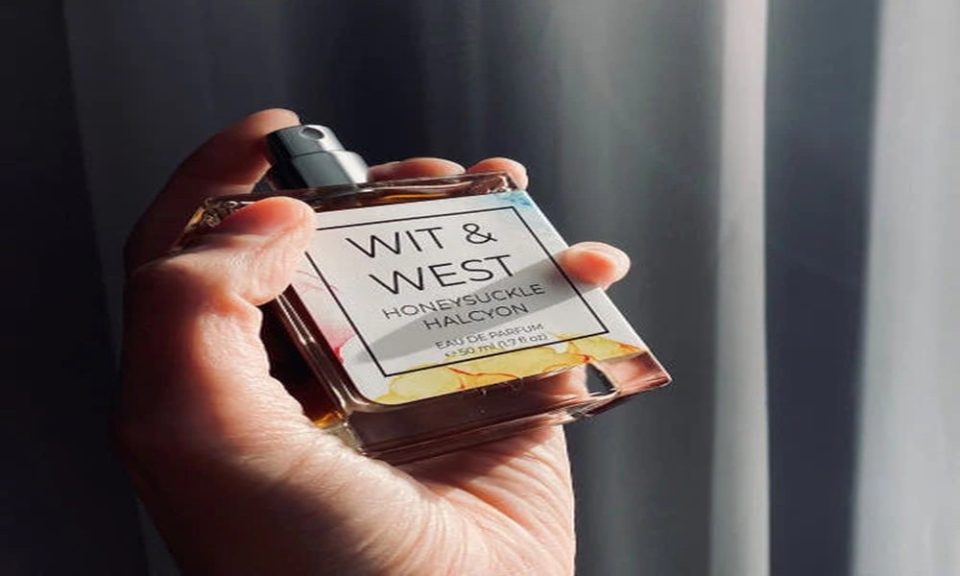
Open a bottle of Wit & West perfume and you might notice something unexpected: the liquid has color. Not the pale straw of a typical designer fragrance, but something richer – a reddish-brown, perhaps, or a greenish amber. Your first instinct might be to wonder what was added to produce it.
The answer is: nothing. The color is already there, in the ingredients themselves.
This is one of the most visually striking and least understood aspects of 100% natural perfumery. The botanical materials that give a natural fragrance its scent also give it its color – because pigment and aroma often come from the same chemical compounds, extracted together from the same plant tissues. In a natural perfume, what you see is genuinely what you smell.
Why Color and Scent Are Inseparable in Nature
Plants produce aromatic compounds for specific biological reasons: to attract pollinators, repel herbivores, communicate with other plants, or protect themselves from UV radiation and microbial infection. Many of the same biochemical pathways that produce these aromatic molecules also produce pigments and other colored compounds.
When a perfumer extracts aromatic material from a plant – whether through steam distillation, solvent extraction, or cold pressing – those color compounds come along for the ride. The resulting essential oil or absolute carries both the fragrance and the visual character of the source material. You can’t separate them without altering the fragrance itself.
This is fundamentally different from a synthetic fragrance, where colorless aroma chemicals are dissolved in a carrier and color (if any) is added separately and artificially. The color tells you nothing about the scent. In a natural perfume, color is a map.
Jasmine Sambac: The Dark, Rich Brown
Jasmine sambac absolute is one of the most prized materials in natural perfumery – and one of the most visually dramatic. The absolute produced from jasmine sambac flowers is a deep reddish-brown, sometimes almost orange in concentrated form. Wit & West specifically identifies jasmine sambac as one of the raw materials that produces a darker reddish-brown color in their fragrances.
The color comes partly from the indolic compounds that give jasmine its characteristic depth – those slightly heady, honeyed, almost feral qualities that synthetic jasmine can approximate but rarely fully capture. When you see that warm brown in a natural jasmine-forward fragrance, you’re seeing the same chemistry that produces the scent.
Osmanthus: The Greenish Amber
Osmanthus absolute is a study in contrasts. The scent – peachy, apricot-like, leathery, faintly floral – seems like it should come from something warm and golden. But osmanthus absolute tends toward greenish-brown, a color Wit & West calls out directly as one of the natural colorants in their fragrances.
That green-amber hue comes from chlorophyll-related compounds and other pigments concentrated during extraction alongside the aromatic materials. The color might seem at odds with the peachy sweetness of the scent, but both emerge from the same small, delicate flower – a reminder that plants are chemically more complex than any single sensory quality suggests.
Rose and the Rosy Gold
Rose absolute – particularly Bulgarian rose otto and rose absolute from Morocco – tends toward a warm amber-to-orange color, varying by variety and extraction method. Rose otto, steam-distilled, can appear nearly colorless to pale yellow; rose absolute, solvent-extracted, runs deeper and darker, carrying more of the wax and pigment compounds that steam distillation leaves behind.
The color in rose absolute comes partly from the natural waxes of the petals, which carry both chromatic and aromatic compounds. Those waxes are part of what gives natural rose absolute its depth and complexity compared to synthetic rose chemicals – and they’re inseparable from its color.
Vanilla: The Deep Brown Tincture
Vanilla absolute and tinctures are some of the most visually arresting materials in a natural perfumer’s collection – deep brown, almost black in concentration, thick with the resins and phenolic compounds that give genuine vanilla its complexity. Wit & West makes their own house vanilla tincture – a process of macerating vanilla in alcohol to extract its aromatic and chromatic character together over time.
That deep brown color is a direct visual indicator of the richness of the material. Pale vanilla suggests a thin extraction or synthetic vanillin. Dark, resinous brown vanilla tincture tells you immediately that you’re working with something substantial – which is exactly what earned it a specific mention in Fragrantica’s review of Caldera Flower, where the reviewer noted enjoying “the brand’s house vanilla tincture” as a distinctive element of the heart.
Vetiver, Patchouli, and the Earthy Darks
Earthy base note materials like vetiver and patchouli tend to produce dark, almost muddy oils – deep green-brown to dark amber. This color reflects the same sesquiterpene compounds responsible for their distinctive smoky, rooty, earthy scent characters. The more complex and interesting the smell, the richer the color tends to be.
Sediment and Cloudiness: Signs of Authenticity
Wit & West filters each perfume carefully before bottling, but notes in their FAQ that slight sediment or cloudiness can occasionally appear – because natural ingredients like resins, essential oils, and plant matter can leave traces. Rather than treating this as a flaw, it’s worth recognizing it for what it is: evidence of genuine botanical content.
A perfectly clear, colorless natural perfume should raise questions. The best ones look like something extracted from the world – because they were.