
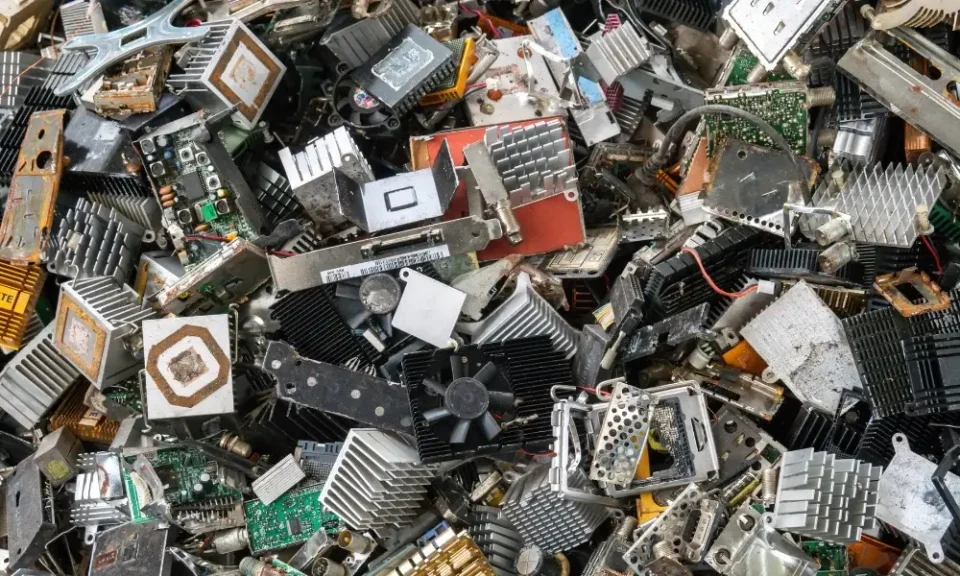
The decision to e-waste recycle in Singapore begins with a question that most residents never ask: what exactly qualifies as electronic waste, and where does it actually go? The answer matters more than convenience suggests. Singapore generates approximately 60,000 tonnes of e-waste annually, equivalent to each resident discarding 73 mobile phones per year. Yet only 6 per cent enters recycling streams. The rest burns, releasing whatever hazardous materials manufacturers embedded in circuit boards and batteries into ash that eventually reaches Pulau Semakau, the island’s only landfill, projected to reach capacity by 2035.
The mathematics are unforgiving. Every tonne of e-waste incinerated destroys materials that required mining, refining, and manufacturing energy to produce. Copper wiring becomes oxidised ash. Gold connecting microscopic circuits vaporises. Silver conducting signals through circuit boards becomes particulate matter.
Understanding Regulated E-Waste
Since 2021, Singapore’s Extended Producer Responsibility framework has designated five categories of electronic products requiring proper disposal. These regulations exist as recognition that certain items contain materials too valuable to waste and substances too hazardous to burn without consequence.
The regulated categories that qualify for e-waste recycle programmes include:
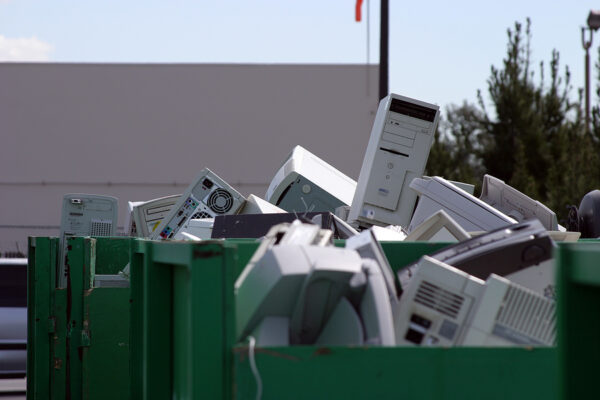
Information and Communications Technology equipment
computers, laptops, mobile phones, tablets, printers, power banks, modems, routers, set-top boxes, desktop monitors, and related cables and accessories
Large household appliances
refrigerators up to 900 litres capacity, air conditioners, washing machines, dryers, and televisions
Batteries
AA, AAA, AAAA, D, C, nine-volt, and button cell batteries with circumference 50 millimetres or less, plus lithium-ion portable batteries
Lamps and bulbs
light bulbs with circumference 100 millimetres or less, fluorescent tubes at selected locations, and compact fluorescent lamps
Personal mobility devices
electric scooters, power-assisted bicycles, and electric mobility aids
These items qualify for collection through over 600 e-waste bins stationed across shopping centres, community centres, government buildings, and retail outlets. Large retailers with floor space exceeding 300 square metres must provide in-store collection points. Retailers selling regulated products must offer free one-for-one take-back services during delivery.
What Cannot Go In E-Waste Bins
The distinction between accepted and rejected items reflects processing capabilities and safety considerations. Several categories of electronic items require alternative disposal methods or remain excluded from e-waste recycle systems entirely.
Items that cannot enter standard e-waste collection include:
Broken lamps and fluorescent tubes
these must go to general waste bins due to mercury content and breakage hazards
Printers and copiers
currently not accepted at collection points due to size and processing complexity
Kitchen appliances with plastic housings
kettles, toasters, rice cookers, and similar items require extensive processing to separate materials
Non-regulated electronics
electrical fans, food processors, microwaves, vacuum cleaners, coffee machines, hairdryers, electric massagers, and medical equipment
Oversized items exceeding bin dimensions
equipment that cannot fit through 500 millimetre by 250 millimetre slots requires alternative disposal through town councils or retailer take-back programmes
The exclusions create gaps. A resident with a broken microwave or obsolete printer faces no convenient disposal pathway through e-waste recycle infrastructure. These items default to general waste collection, joining the stream heading for incineration despite containing recoverable materials.
Proper Preparation for E-Waste Recycle
The process of preparing electronics for disposal requires attention that most residents skip. Batteries with exposed terminals can short-circuit in collection bins, creating fire hazards. Data on hard drives persists until deliberately erased.
Preparation steps that ensure safe e-waste recycle include:
- Remove all packaging including boxes, plastic wraps, and bags before disposal
- Wipe data from all devices whenever possible, particularly computers, mobile phones, and storage devices
- Tape terminals of rechargeable and lithium-ion batteries before disposal to prevent short circuits
- Wrap individual batteries in plastic to avoid contact between terminals
- Place leaking batteries in sealed plastic bags before depositing in collection bins
- Secure broken appliances in containers to prevent spillage during transport
These steps transfer responsibility for safety from collection operators to residents. The system assumes compliance whilst providing limited enforcement mechanisms.
The Informal System
Beyond regulated collection infrastructure, informal networks continue operating. Karang guni collectors still traverse residential estates purchasing electronics for resale or material recovery. Some residents prefer receiving payment over free disposal, directing functional items into secondary markets rather than e-waste recycle streams.
The informal sector fills gaps that formal systems cannot address economically. Items rejected by regulated collection find buyers amongst collectors willing to transport and process materials that licensed recyclers decline. But this flexibility comes without the data destruction guarantees, environmental compliance standards, or material recovery targets that govern licensed operations.
Why It Matters
The consequences of improper disposal extend beyond aesthetic concerns. Electronic waste contains lead in circuit boards, mercury in fluorescent lamps, cadmium in batteries, and brominated flame retardants in plastic housings. When incinerated, these materials transform into ash requiring landfill disposal or release as air emissions. When landfilled directly, they leach into soil and potentially groundwater, persisting for decades.
Singapore’s constrained geography amplifies these concerns. There is nowhere distant to send problems. The island’s only landfill occupies reclaimed land surrounded by water. Its projected 2035 closure date approaches not as distant future but as operational reality requiring present solutions.
Effective e-waste recycle depends less on infrastructure availability than on consistent resident participation. The 600-plus collection bins remain underutilised whilst incineration rates persist. Closing this gap requires not additional bins but changed behaviour, recognising that electronic waste represents both resource loss and environmental liability that proper disposal can address through e-waste recycle.
